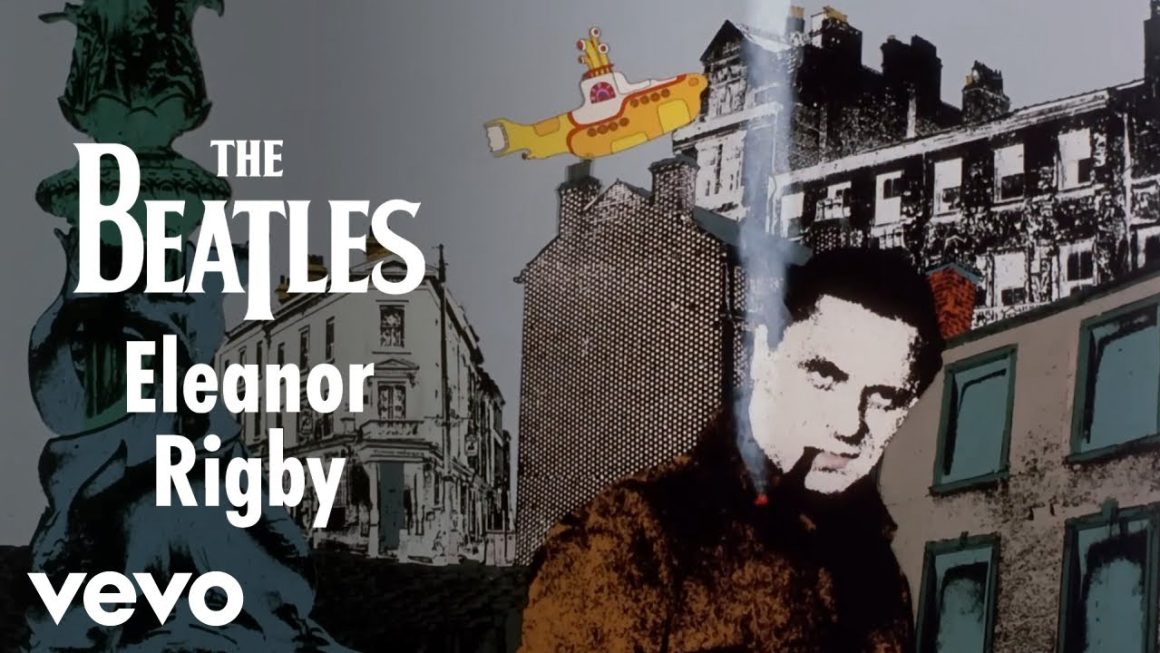
“Eleanor Rigby” by The Beatles is truly one of those songs that hits you later, perhaps precisely because it speaks about a loneliness that isn’t dramatic or loud, but quiet and invisible. The figures of Eleanor and Father McKenzie create a world where people exist side by side, yet never truly touch each other. The irony toward religious faith appears especially in the question, “All the lonely people, where do they all belong? a kind of cry that lingers without a divine answer.
Eleanor Rigby: Faith, Irony, and Human Solitude
What you say about loneliness is very profound: perhaps the greatest loneliness is not the absence of people around us, but the absence of recognition. When our ideas are unheard, when the ideal version of ourselves, the one the child within us has always imagined, finds no space to emerge, a void is created that cannot be filled even by physical presence.
A mentioned from J. Robert Oppenheimer—“Amateurs seek the sun. Get eaten. Power stays in the shadows.” it speaks about a kind of power that does not seek light, does not seek public approval. In a way, it connects to the song’s theme: people who remain in the shadows, not because they are weak, but because the world often notices only those who chase the “sun.”
But there is an important distinction: power in the shadows can be a choice; invisible loneliness usually is not.